RM -
Developer/Agency
PNB Merdeka Ventures Sdn. Berhad
Property Type
Others
Floor Size
0.00 sqft
Tenure
Freehold
Build End
N/A
Build Status
New launch
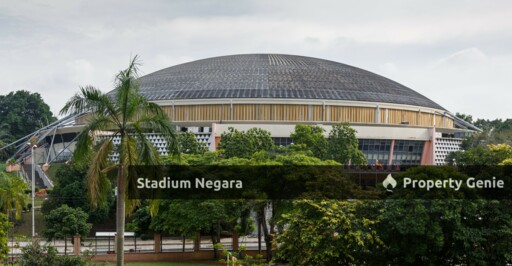
Stadium Merdeka, located in Kuala Lumpur, is more than a sports ground. It is a key symbol of Malaysia's independence and national identity. The stadium was finished in 1957 and hosted the formal declaration of independence on August 31, 1957. Since then, it has been part of the country's national story, hosting political, cultural, and sporting events.
This page gives a clear overview of the stadium's history, architecture, major events, and why it still matters. The aim is to provide useful information for a property tech audience who might be documenting or engaging with heritage buildings and public assets.
Tunku Abdul Rahman, Malaysia's first Prime Minister, had a specific brief. He wanted a venue that could hold the independence ceremony and stand as a national symbol. The stadium's design and siting were chosen to create a formal setting for the country's new beginning. The project moved quickly, with rapid construction to meet the independence date.
The design was led by Stanley Jewkes, an American architect working with the Public Works Department. Jewkes applied modern engineering ideas and produced a structure that was forward looking for the late 1950s. Features like the prestressed floodlight towers and the large cantilever roof showed how engineering and design combined to meet both function and presence.
The stadium opened on August 30, 1957, one day before independence. On August 31, thousands gathered for the declaration of independence. Dignitaries included Malay rulers and British representatives. The moment when Tunku Abdul Rahman shouted "Merdeka" seven times is one of the most vivid images in Malaysia's modern history. Those shouts marked the end of colonial rule and the start of self-government for the Federation of Malaya.
Stadium Merdeka was the official site where the Federation of Malaya declared independence on August 31, 1957. The ceremony had both formal and symbolic elements, and it remains the defining event tied to the venue. For this reason, the stadium is often referenced in discussions about national identity.
On September 16, 1963, the stadium hosted the proclamation of Malaysia's formation, when Malaya, Sabah, Sarawak, and Singapore came together. While Singapore later left in 1965, the 1963 proclamation remains a major event in the stadium's history.
When completed, the stadium's four floodlight towers measured 140 feet and were considered the tallest prestressed towers of their type. They enabled evening events and gave the site a modern, civic look. Today they are part of the stadium's historic profile.
The cantilever canopy was one of the largest in Southeast Asia at the time. It offered cover for spectators while keeping sightlines clear. The roof is an important example of mid 20th century engineering used in public architecture in the region.
The stadium originally seated about 20,000 people, with special seating for rulers and officials. It had 14 entrance tunnels that helped move crowds efficiently. Later renovations increased capacity, but the original layout is part of what made the stadium functional for large civic events.
In the 1970s and 1980s, the stadium underwent changes that increased capacity to roughly 45,000. These works allowed the venue to host larger sporting and entertainment events. Structural and seating modifications were made while keeping the original character of the site in mind.
Ahead of the 1989 Southeast Asian Games, the stadium was upgraded to meet event needs. The works reflected the stadium's continuing role in national and regional sport and culture.
In the late 1990s, plans emerged to demolish the stadium for commercial development. Widespread public objection, along with intervention from cultural groups and government entities, helped stop the plan. The public response showed how important the site is to national memory.
Stadium Merdeka was declared a National Heritage site in 2005. In 2007, restoration works aimed to return the stadium to its 1957 appearance. As a result, seating capacity was reduced to about 20,000 so the original design and setting could be preserved.
For many Malaysians, the stadium stands for the country's independence and unity. It connects citizens to a shared moment in history. That meaning extends beyond architecture to education, civic pride, and national ceremony.
The stadium is still used for sporting matches, cultural programs, and national celebrations. Its role as an active venue keeps the site relevant while its heritage status preserves its historical meaning.
Stadium Merdeka remains an active and symbolic site. It represents a core moment in Malaysia's history while continuing to host events that matter to the public. As a preserved heritage site, it offers a direct link to the past while serving present needs.
Jalan Stadium, Presint Merdeka 118, 50118 Kuala Lumpur, Wilayah Persekutuan Kuala Lumpur, Malaysia
View on Google MapEst. Monthly Payment
-
Loan amount: RM0
Est. Upfront Cost
RM 0
RM 0
RM 0
Check your home loan eligibility
Find out instantly if you qualify for a home loan with our partner bank. Quick and easy application!
Starting From
RM -

Starting From
RM -
Condominium
AUCTION
26 Aug, 2026
Shop Office
AUCTION
13 Aug, 2026
Retail Space
AUCTION
29 Sep, 2026


![[For Rent] Mitsui Serviced Suites @ BBCC | Bukit Bintang City Centre | 1–3 Bedrooms | Fully Furnished | From RM4,000/month](https://gdn.propertygenie.com.my/image/cache/463d4fd1-3221-472c-b64d-fe9699476b42_512x264.jpg?hash=96790caa324b89eb9555b729d6d160d2)