

Written by Fazrina Fezili
Buying a property at an auction or what is commonly referred to in Malaysia as rumah lelong, can be an appealing option for many homebuyers and investors. These properties are often priced below market value, offering the prospect of significant savings. However, what seems like a bargain on the surface may hide complex legal, financial, and physical issues that could turn into costly mistakes.
In Malaysia, property auctions are governed either by banks under the Loan Agreement cum Assignment (LACA) process or by the High Court. Regardless of the type of auction, buyers need to be fully aware of the legal implications and risks involved. Below, we explore the five major risks of purchasing an auction property and how one can best protect themselves in the process.
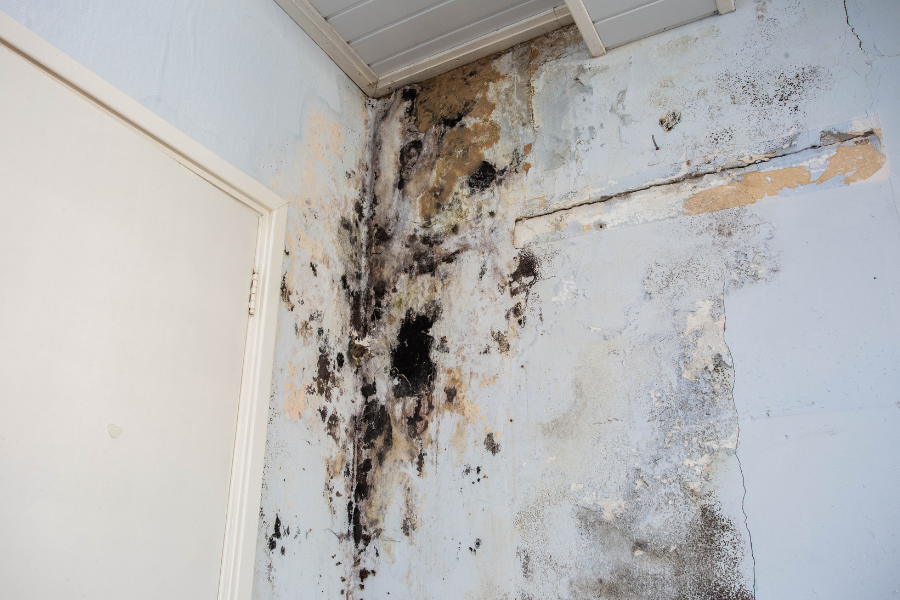
When it comes to property lelong in Malaysia, one of the most crucial points to understand is that these properties are sold on an "as is, where is" basis. This means that buyers purchase the property in its existing condition, and they are responsible for any damages, structural problems, or missing fixtures, whether visible or hidden. This often leaves potential buyers with limited information, as in most cases, they cannot inspect the property's interior before placing a bid.
This restriction makes it difficult to gauge the true condition of the property, and it can result in surprises after the auction. Buyers might find themselves inheriting properties with
Because buyers are not allowed to inspect the interior beforehand, they often rely on external appearances which can be misleading. To minimize the risks, it is vital to take proactive steps before participating in any lelong property auction. Here are some essential actions to take:
By being proactive and conducting thorough due diligence, you can protect yourself from costly surprises and make a more informed decision when participating in a lelong house auction.

Another common mistake that inexperienced buyers make when participating in a property lelong auction in Malaysia is failing to account for unpaid bills left behind by the previous owner. These bills can include essential charges such as electricity and water bills, assessment tax (cukai pintu), quit rent (cukai tanah), Indah Water charges, and, in the case of high-rise units, maintenance fees and sinking fund contributions owed to the building's Joint Management Body (JMB).
Unlike sub-sale properties, where these unpaid charges are typically settled before the transfer of ownership, auction properties often place this burden on the successful bidder unless otherwise stated in the auction's Conditions of Sale (COS). Many auction buyers only discover these arrears after completing the purchase, leading to unexpected costs.
Some of the most common outstanding bills that buyers might inherit include:
In these cases, the unpaid amounts do not disappear upon the transfer of ownership. The buyer is usually held responsible for these debts, especially if the Conditions of Sale do not explicitly state that the seller (typically the bank) will bear the costs.
To mitigate this risk, buyers should always inquire about unpaid bills before the auction date to avoid surprises later on. Keep in mind that some fees, such as unpaid service charges, may not be recoverable or negotiable. If the Conditions of Sale do not specify that the seller will cover these charges, the buyer should assume responsibility for them and ensure they have accounted for these costs in their budget.
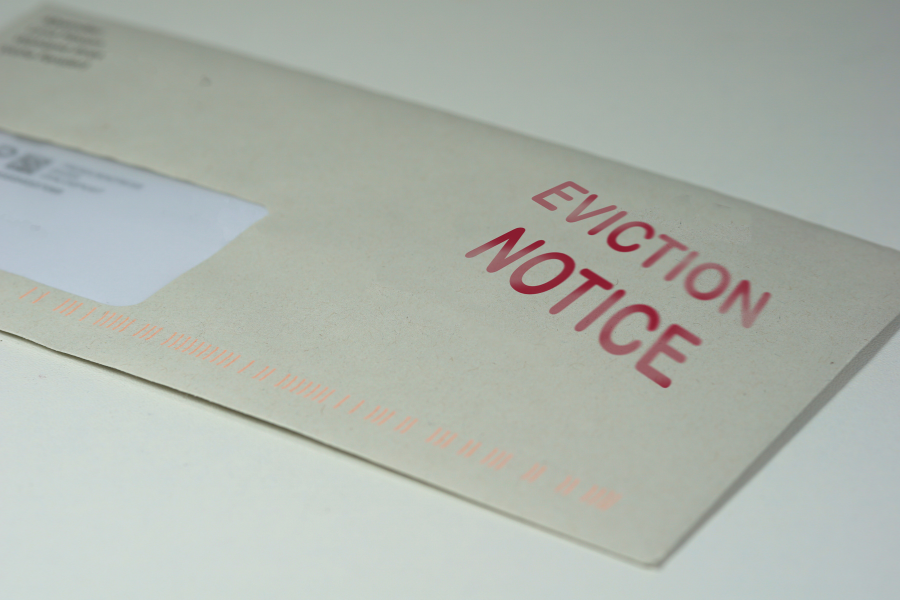
Winning a bid for a property lelong does not always guarantee immediate possession. In many cases, the lelong house may still be occupied by the previous owner, tenants, or even unauthorised squatters. While the title to the property may be transferred to the new owner, gaining physical possession is a separate matter entirely.
Evicting an occupant is a legal process that can take weeks or even months. Under Malaysian law, a property owner cannot forcibly remove individuals from the property without following due legal process. Attempting self-eviction could expose the new owner to both criminal and civil liabilities.
If the property is still occupied, the new owner must issue a formal notice to vacate. If the occupant refuses to leave, the new owner will need to file for a court order of eviction under the Specific Relief Act 1950 or other related property statutes. The new owner will be responsible for paying legal fees, court filing costs, and enforcement charges which can be quite costly.
This is why it is essential to conduct due diligence on the occupancy status of the property before the auction. While the Conditions of Sale (COS) may state that the buyer purchases the property with vacant possession, this clause can often be unenforceable if the property hasn't been inspected or lacks a formal eviction clause.
When purchasing a property lelong in Malaysia, it is essential to understand that not all auction properties come with a clean title. Some properties may be leasehold nearing expiration, others may be under master titles without individual or strata titles issued, and some may have private caveats or Bumiputera restrictions. These issues can delay or even prevent the transfer of ownership, and they can complicate the process of securing financing from banks.
In particular, properties with caveats or shared titles (geran kongsi) may be encumbered by third-party claims or unresolved inheritance disputes. Additionally, properties on Bumiputera lots can only be transferred to eligible Bumiputera buyers, which may not always be clearly stated in the auction documents.
Some common legal complications associated with lelong house auctions include:
These legal complications may not always be disclosed in the auction catalogue, so it is the bidder’s responsibility to conduct background checks before bidding.
By thoroughly checking the title and ensuring that there are no legal issues, you can reduce the risks associated with purchasing a lelong house and protect yourself from potential complications in the future.

One of the most financially devastating risks when purchasing a property lelong is winning the bid but failing to secure financing. Once the bid is successful, the buyer is required to pay a 10% deposit on the same day and settle the remaining 90% within the stipulated period typically 90 days for High Court auctions and 120 days for LACA (Land and Civil Court Auctions) auctions. If you are unable to obtain a loan or fail to make the balance payment within that period, the 10% deposit is forfeited, and the transaction will be cancelled.
Many buyers mistakenly assume that obtaining a loan after winning the bid is a mere formality, only to discover later that banks may reject their loan applications due to issues such as poor credit standing or complications with the property title. Once the deposit is paid, there is no turning back the bank will not entertain refund requests unless there has been a breach of the Conditions of Sale by the seller.
Failing to secure financing after winning the bid can cost you far more than the 10% deposit, it could damage your financial credibility and make it much harder to secure financing in the future. It is always best to be prepared and thoroughly check your loan eligibility before committing to any auction.
Other Article: