
Written by Fazrina Fezili
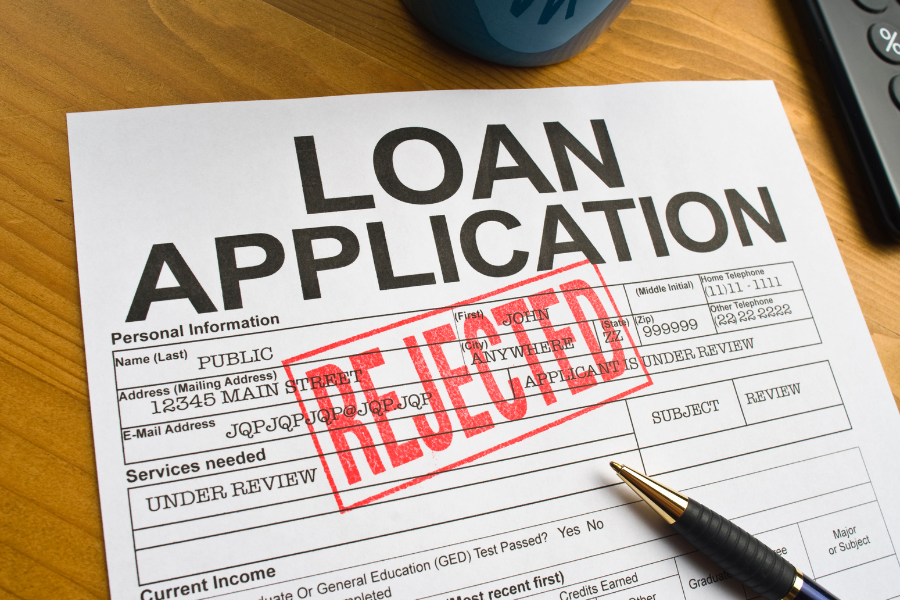
Many Malaysians face the same frustration: you’ve finally found your dream home, your income is stable, and you’re ready to commit but your housing loan application gets rejected.
You’ve done your math. You know you can afford the monthly repayments. So, why would a bank turn you down?
The short answer: banks don’t just look at what you think you can afford. They use strict financial metrics like Loan Margin (Loan-to-Value Ratio) and Debt Service Ratio (DSR) to assess your eligibility. Even if you have cash in hand, you may still fail to qualify under a bank’s risk assessment criteria.
If you're planning to buy a house in Malaysia whether it's a condominium in Kuala Lumpur, a terrace house in Selangor, or a landed property in Johor Bahru, understanding these financial terms is essential to get your home loan approved.

Loan margin, or more formally known as the Loan-to-Value (LTV) ratio, refers to the percentage of a property’s value that a bank is willing to finance. The remainder, the part the bank doesn't cover must be paid by you as the downpayment.
In Malaysia, the maximum margin of financing for a residential property typically ranges between 70% and 90%, depending on the borrower's profile and the number of properties they already own.
For example, if you are buying your first or second property, many banks will offer up to 90% financing. But for your third property onwards, Bank Negara Malaysia has implemented guidelines that usually limit the margin to 70%.
Some additional factors that can reduce the margin offered to you include:
A lower margin of financing means you’ll need to fork out a higher upfront cost, which includes the downpayment and other transaction-related expenses such as legal fees and stamp duty.
One of the most common reasons for loan rejection in Malaysia is a high Debt Service Ratio (DSR). DSR, or Debt Service Ratio, is one of the most critical metrics banks use to determine whether you qualify for a loan. This figure tells the bank how much of your monthly income is already used to pay off debts, and how much room is left for a new mortgage including car loans, credit card repayments, personal loans, and any other financial commitments.
The formula is fairly straightforward:
Your “net income” is what’s left after EPF, SOCSO, and income tax deductions.
DSR = (Total Monthly Commitments ÷ Net Monthly Income) x 100%
Let’s say you earn RM5,000 per month after deductions, and you’re paying RM1,000 in car loan instalments, RM500 for a personal loan, and your proposed housing loan would cost you RM1,300 monthly. That adds up to RM2,800 in monthly commitments.
Your DSR would be:
(RM2,800 ÷ RM5,000) x 100% = 56%
Now, here’s the important part: different banks have different DSR limits, which are also affected by your income level. For lower income groups, the maximum acceptable DSR may be capped at 40–45%, while those earning higher incomes may be allowed up to 70% or more.
So, even if you’re personally confident that you can manage the instalments, the bank may reject your loan if the DSR exceeds their internal threshold.
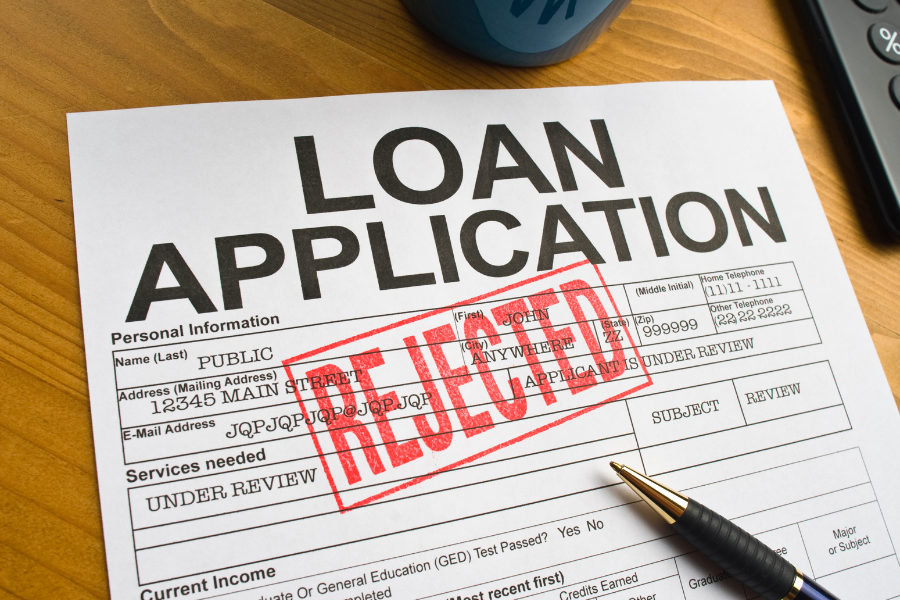
Many buyers assume that a decent salary or strong savings means instant loan approval. But banks evaluate risk differently. They don’t just ask whether you can make the payment. they ask whether you can still pay if interest rates rise, your income drops, or you lose your job.
Here are the most common reasons why banks reject your mortgage loan application in Malaysia:
Your debt levels exceed the bank’s comfort zone. Some banks allow higher DSR for higher income tiers, but if your debts take up more than 60–70% of your income, approval is unlikely.
If you're applying for a 90% loan on a second or third property, or if your credit report raises concerns, the bank might reduce your loan margin. This results in a higher upfront payment, which could affect your approval chances if you’re not prepared.
Banks check your credit through CCRIS or CTOS reports may reveal patterns like late repayments, maxed-out credit cards, or previous loan defaults. Even if your income is high, a tarnished credit profile can derail your chances.
Self-employed individuals, gig workers, or freelancers may struggle to prove stable income. Banks prefer consistency and documentation like payslips, EPF contributions, and income tax records.
Missing payslips, tax filings, or EPF statements can weaken your application. Banks prefer borrowers with full transparency.

If you're buying property, you’ll need to be extra prepared. Here are several steps you can take to improve loan approval chances:
If you're self-employed or earning from side hustles, ensure all your income flows through a business account and is traceable. Banks love consistency and proof.
Q: What is a good DSR in Malaysia?
A: For net incomes under RM5,000, banks prefer a DSR under 45%. Higher incomes may be allowed up to 70%.
Q: Can I appeal a rejected home loan?
A: Yes, you can. Improve your documentation, reduce commitments, and try applying to another bank.
Q: What is the maximum loan margin in Malaysia?
A: Typically 90% for first and second residential properties. For the third property onwards, it may drop to 70%.
Q: Do all banks use the same DSR formula?
A: No. Different banks apply their own DSR calculators and risk thresholds.
Buying a house in Malaysia isn’t just about liking a unit and paying the booking fee. The real test comes when you apply for the loan and your numbers don’t add up.
Understanding loan margin, Loan-to-Value (LTV) ratio, debt service ratio, and your credit profile can be the difference between owning your dream property or facing multiple rejections. Whether you’re buying a home in Penang, a studio apartment in Cyberjaya, or a landed house in Johor Bahru, your financial health matters as much as the property itself.
Take the time to calculate your DSR, request your credit report, and prepare complete documentation. These steps can help you navigate Malaysia’s strict housing loan landscape and finally get that long-awaited letter of offer.
Other Article: