
Written by PropertyGenie Team
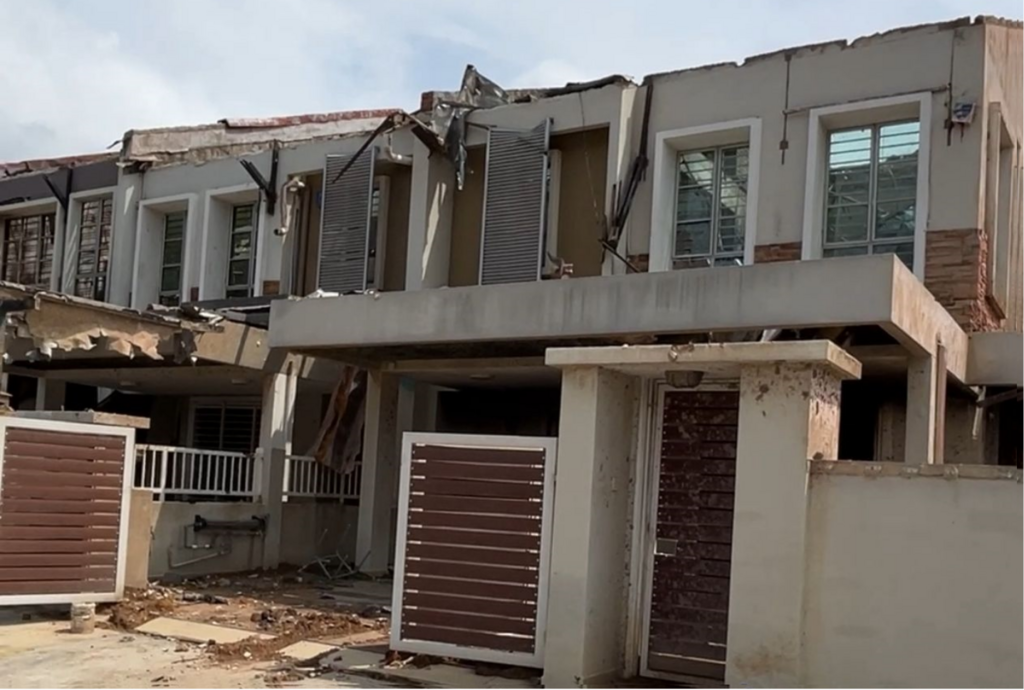
On 28 July 2025, Deputy Human Resources Minister Datuk Seri Abdul Rahman Mohamad presented what was framed as the final report on the Putra Heights gas pipeline explosion in Parliament. According to the government’s official findings, the explosion which caused massive destruction on 1 April was not the result of excavation or nearby development work. Instead, the blame was placed on underground soil movement, which allegedly triggered mechanical fatigue at a pipe joint, sparking the devastating fire.
The Minister also assured the public that Petronas pipelines comply with international safety standards, and that no sabotage, negligence, or human error was involved.
But for the residents who lived through the disaster, this explanation rings hollow.
If it wasn’t excavation, faulty construction, or negligence then what exactly happened? And why do so many crucial questions remain unanswered?
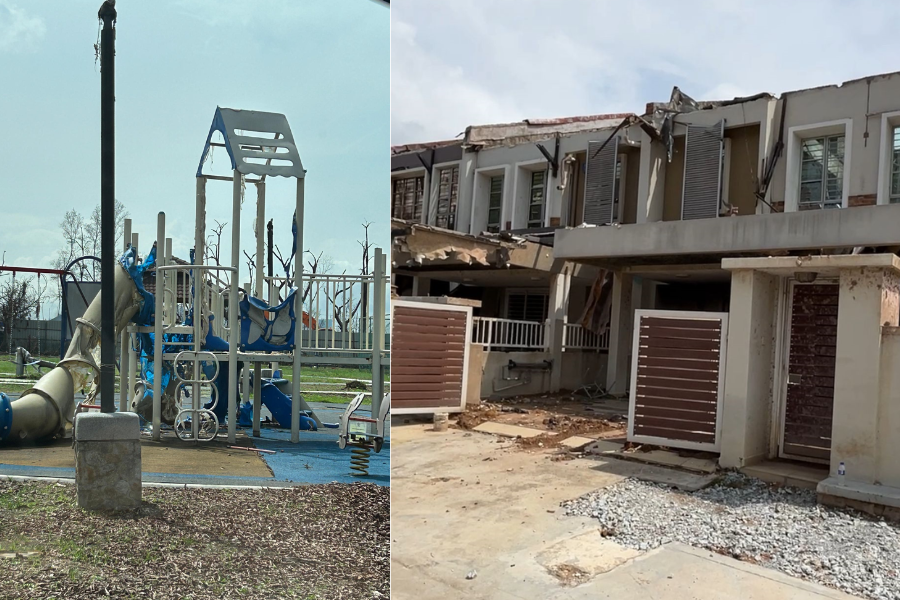
At precisely 8:08 a.m. on April 1, 2025, residents of Putra Heights were jolted by a thunderous blast. A Petronas gas pipeline had ruptured beneath a residential street, unleashing flames as high as 30 metres, visible from several kilometres away. Emergency sirens pierced the air as firefighters, first responders, and police raced to the scene.
The fire raged for nearly eight hours, creating a 9.8-metre-deep crater and setting off panic across Selangor. The explosion affected:
Emergency shelters were set up at local mosques, temples, and schools, while more than 500 residents were evacuated from a 290-metre radius.
Although no lives were lost, the emotional trauma lingered. Children developed nightmares and phobias. Parents reported heightened anxiety, especially when hearing rumbling or machinery.
On 28 July 2025, nearly four months after the incident, Deputy Human Resources Minister Datuk Seri Abdul Rahman Mohamad presented the findings in Dewan Rakyat (Parliament).
The government stated:
“Excavation or development works nearby were not the cause of the explosion. The pipeline was installed six metres underground, far beyond the reach of heavy machinery. The disaster resulted from soil movement, which caused mechanical stress and friction at a pipe joint, leading to ignition.”
According to the Minister:
The report was presented as final, closing the chapter from a governmental standpoint.
For residents, this declaration brought little comfort. Instead of assurance, it triggered disbelief, frustration, and outrage.
Locals took to social media with posts like:
“Blaming ‘soft soil’ and ‘unsupported segments’ doesn’t cut it. If soil was a known risk, why weren’t safeguards in place? And why were we not informed before they restarted the pipeline on 1 July? No safety briefing, no consultation, just silence.”
“The temporary pipeline will begin supplying gas (gas-in) on 1 July 2025 to allow consumers to regain a stable supply,” the Department of Occupational Safety and Health (DOSH) said in a statement on July 1
What particularly angered residents:
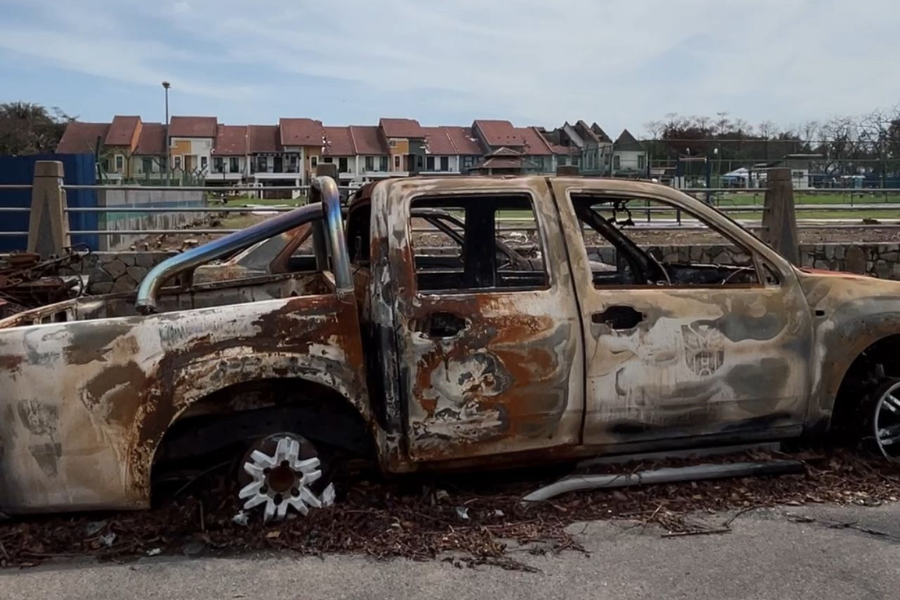
Immediately after the blast, the government, Petronas, and NGOs mobilised. Relief centres were set up at local mosques and temples. Homeowners received cash aid (RM5,000 for total destruction; RM2,500 for partial damage), and temporary rental assistance of RM2,000 per month for up to six months.
TNB waived electricity bills and reconnection fees. Petronas Gas Berhad provided crisis support and first responders. Vehicle companies and charitable foundations donated cars, motorcycles, vouchers, and devices.
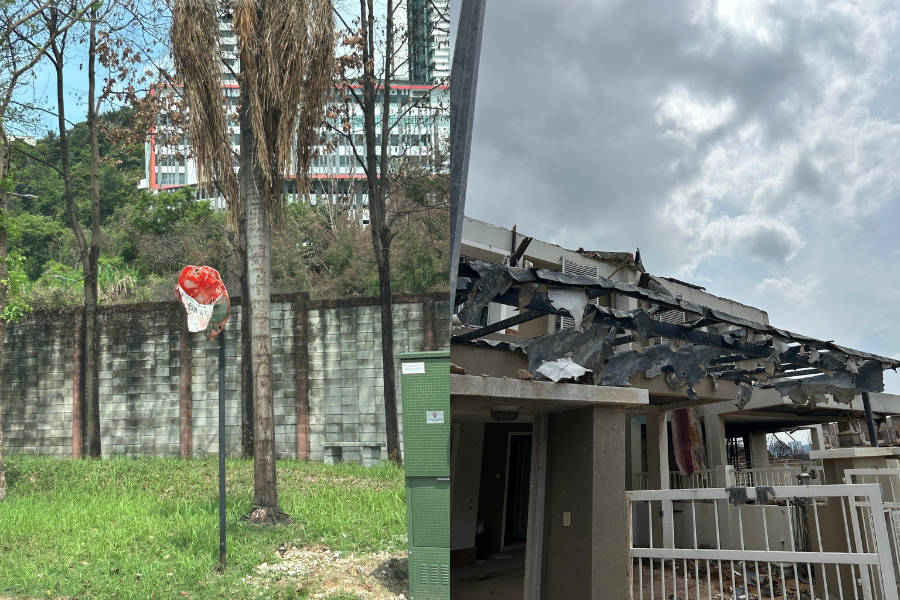
While the financial relief was welcome, residents say that compensation cannot replace their sense of security, nor does it make up for the equity lost when property values fell by around 20%, wiping out years of accumulated home investment.
“You can replace a car. You can’t replace your child’s sense of safety or the years it took to pay off your home,” said one displaced parent.
Authorities recorded 179 witness statements and lodged 769 police reports, including testimony from construction workers, Petronas representatives, police, engineers, and city council officials.
Yet:
By late June, the technical investigation conducted by DOSH and multiple agencies was released, concluding once more that the cause was soil movement and joint fatigue, not human error or interference. The criminal probe likewise found no elements of sabotage, negligence or foul play, resulting in a NFA (No Further Action) classification.
The Selangor Menteri Besar, Amirudin Shari, later confirmed that the state government had no role in directing the investigation and only participated as a witness in the probe. He also agreed to allow two experts nominated by the opposition to sit on a Special Committee on Gas Pipeline Risk Adaptation. He promised to release the full report but weeks later, no publication date has been set.
Despite the official version, industry professionals and residents have cast serious doubt on the conclusion that soil moisture alone triggered the disaster. One public Facebook comment reflected widespread skepticism:
Residents observed:
One viral Facebook post stated:
“These aren’t regular PVC pipes, they’re built to ASME standards... we all know there was digging work happening there. Why try to spin this story?”
Indeed, excavation by a developer conducting sewage works nearby had Petronas permission but that same developer was blacklisted and not authorised to work near the pipeline. Amirudin clarified the excavation occurred outside the incident site but residents remain wary, noting coordinated heavy machinery nearby in the weeks before April.
Petronas stated that the affected pipeline was built to ASME (American Society of Mechanical Engineers) standards, implying it could handle:
If this is true, then how did soil movement cause catastrophic failure? Experts point out that:
Despite official claims of transparency, several critical gaps remain:
a. No Real-Time Soil Monitoring Data
b. No Technical Testing Documentation
c. No Community Engagement Evidence
d. No Engineering Models or Simulations
The Putra Heights disaster raises broader national concerns:
More importantly, the case illustrates a recurring pattern in infrastructure failures: technical closure without public closure.
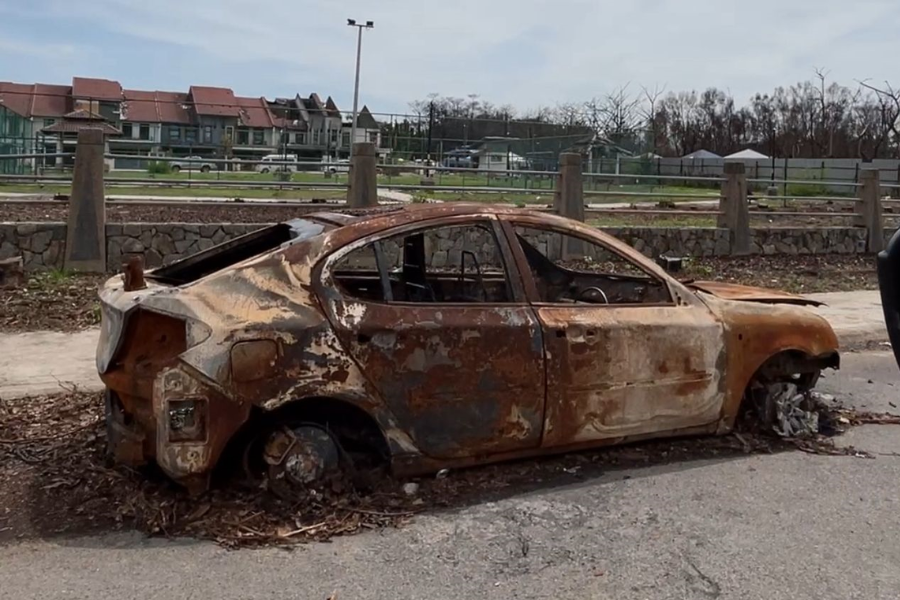
The Putra Heights pipeline explosion may be declared a closed case by Parliament, but for hundreds of affected residents, the wound remains open.
Their demands are simple:
Until then, the community lives under reopened pipelines and unresolved fears wondering not if, but when the ground might betray them again.
As one resident posted online:
“We survived the blast. But we’re still waiting for the truth.”
For now, Putra Heights remains a scar across the community, not just a crater in the ground. Its residents want more than a press release, they want to know who stands with them now.
References / Sources:
Other Article: