45
Labuan Residential Properties Transacted

Malaysia State Guide
Labuan is one of the most vibrant and dynamic locations in Malaysia. Over the past 12 months, the median transacted price for residential properties in Labuan stood at RM 450,000, with a median price per square foot of RM 205.61.
45
Labuan Residential Properties Transacted
RM 450,000
Labuan Median Transaction Price
RM 205.61
Labuan Median Transaction Price
(Data reflects the latest available 12-month period)
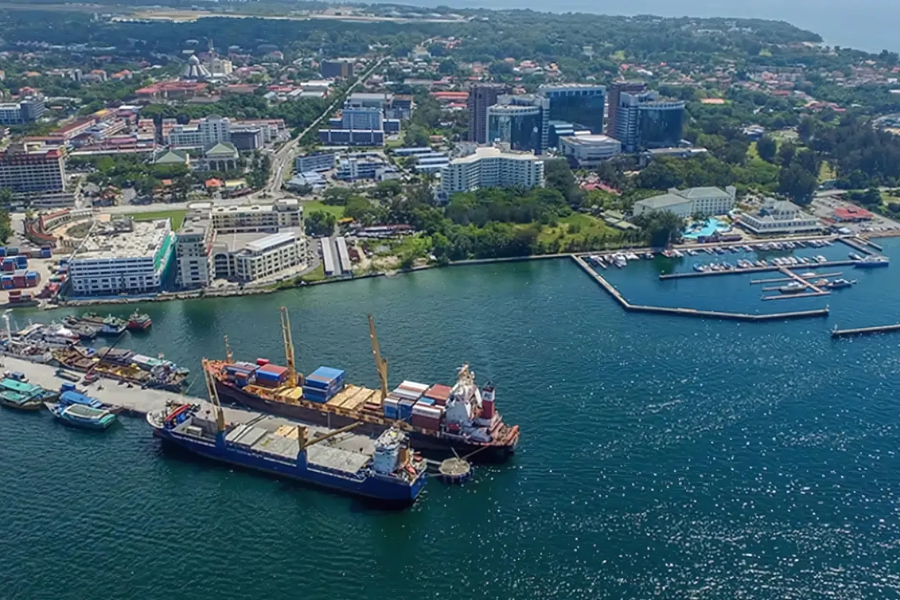
Labuan is a Federal Territory of Malaysia located off the coast of Sabah in East Malaysia. Known as the "Pearl of Borneo", Labuan is strategically positioned in the South China Sea and comprises the main Labuan Island along with six smaller islands. It is most recognised for its status as an offshore financial centre, duty-free island, and a growing hub for oil and gas industries.
Despite its modest size of only 92 square kilometres, Labuan plays a significant role in Malaysia’s economy due to its Labuan International Business and Financial Centre (Labuan IBFC), offshore banking sector, and port facilities. The island offers a unique blend of modern business infrastructure, relaxed island living, and a favourable tax environment, attracting both expatriates and domestic investors.
Labuan’s location between Brunei Darussalam and Kota Kinabalu (Sabah) makes it an important maritime and business hub in the region. Its position along major shipping routes enhances its role in trade and logistics.
Labuan Airport (LBU) provides regular domestic flights to:
There are also seasonal and chartered flights connecting Labuan to international cities in neighbouring countries.
Labuan is well-served by ferry services to:
Its deep-water port is a key regional shipping centre, supporting oil and gas logistics, container handling, and general cargo.
A long-discussed Labuan–Menumbok Bridge proposal aims to connect Labuan to the Sabah mainland, significantly improving accessibility and boosting economic activity. While the project has been in various stages of feasibility studies, recent discussions have renewed interest, with potential construction in the coming years.
Labuan Port is undergoing upgrades to expand its handling capacity, enhance oil and gas logistics facilities, and improve container services to attract more regional trade.
Under Malaysia’s national digital economy plans, Labuan is seeing increased investment in fibre-optic networks and telecommunications towers to support both residents and businesses.
Labuan has a population of around 100,000 residents, comprising Malays, Kadazan-Dusun, Chinese, Bajau, and expatriates working in the offshore financial and oil & gas sectors.
Urban development is centred around Labuan Town (Victoria), which serves as the administrative, commercial, and retail hub. Growth areas include residential neighbourhoods near the coast, commercial developments in the town centre, and tourism-oriented zones near beaches.
The presence of multiple oil and gas companies, financial institutions, and shipping services has created a relatively high-income local economy compared to other towns of similar size in East Malaysia.
Labuan’s property market benefits from its duty-free status, offshore business activities, and demand from oil and gas professionals.
Key property types:
Foreign investors are allowed to purchase property in Labuan, with relatively straightforward ownership procedures. Demand is concentrated in Labuan Town, waterfront areas, and proximity to business hubs.
Established in 1990, Labuan IBFC offers a range of services including offshore banking, insurance, leasing, and wealth management.
Favourable tax rates and business-friendly regulations attract multinational corporations and investors.
Labuan is a major offshore support base for petroleum companies operating in the South China Sea.
Facilities include shipyards, fabrication yards, and oilfield supply centres.
Labuan’s duty-free status makes it popular for shopping, especially for liquor, chocolate, and luxury goods.
The island is also known for diving, beaches, and World War II historical sites.
Employment opportunities are strong in finance, marine engineering, oilfield services, tourism, and logistics.
Labuan offers a selection of public schools, private institutions, and tertiary education options.
Notable institutions include:
Healthcare in Labuan is provided through a mix of public and private facilities.
Main healthcare providers:
Residents also have access to specialist services in Kota Kinabalu or Brunei for advanced medical care.
Labuan offers a mix of nature, history, and leisure activities. It is particularly known for its shipwreck diving sites, WWII memorials, and pristine beaches.
Top attractions include:
Annual events like the Labuan International Sea Sports Complex Festival and Labuan International Fishing Tournament attract local and international visitors.