1666
Pahang Residential Properties Transacted

Malaysia State Guide
Pahang is one of the most vibrant and dynamic locations in Malaysia. Over the past 12 months, the median transacted price for residential properties in Pahang stood at RM 300,000, with a median price per square foot of RM 168.30.
1666
Pahang Residential Properties Transacted
RM 300,000
Pahang Median Transaction Price
RM 168.30
Pahang Median Transaction Price
(Data reflects the latest available 12-month period)
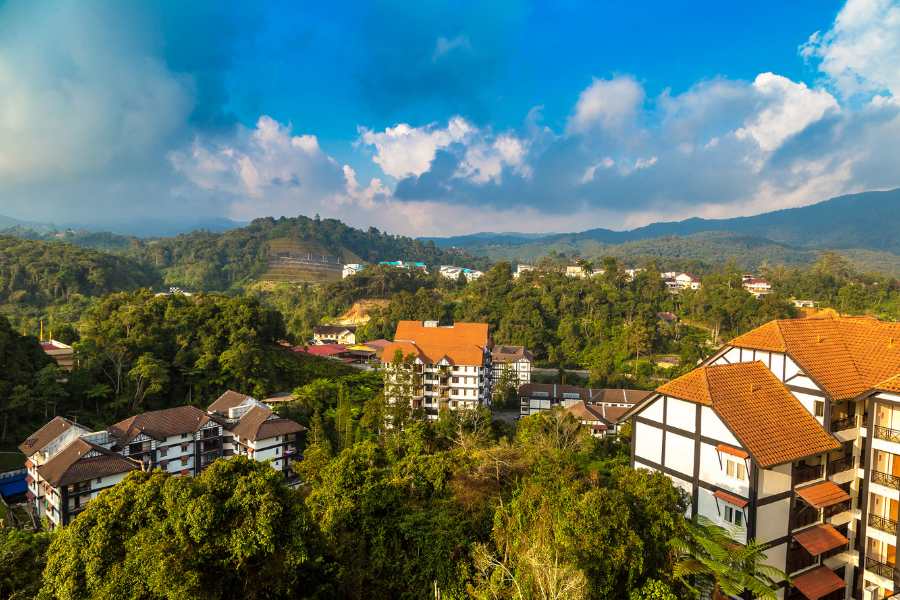
Pahang is the largest state in Peninsular Malaysia, covering an expansive area of over 35,000 square kilometres. Known for its rich natural resources, lush rainforests, and highland retreats, Pahang offers ecological diversity, economic potential, and cultural heritage. The state capital is Kuantan, a coastal city that serves as Pahang’s administrative and economic centre.
Pahang’s unique geographical positioning between the central and east coast regions of Peninsular Malaysia provides it with strategic access to both inland trade routes and maritime industries. The state is renowned for iconic destinations like Genting Highlands, Cameron Highlands, Fraser’s Hill, Tioman Island, and Taman Negara, Malaysia’s premier national park.
Pahang enjoys excellent connectivity via major highways such as the East Coast Expressway (ECE/LPT), which links the state to Kuala Lumpur, Terengganu, and Kelantan. The Central Spine Road (CSR), currently under phased development, will further improve access to inner districts and highland regions.
Kuantan is served by Sultan Haji Ahmad Shah Airport (KUA), providing regular domestic flights and limited international services. The upcoming ECRL (East Coast Rail Link), expected to complete by 2027, will be a changer for the state’s logistics and passenger transport, linking Pahang to Port Klang in Selangor and Kota Bharu in Kelantan.
Several infrastructure projects are set to enhance Pahang’s growth trajectory:
Pahang’s population exceeds 1.7 million, with the largest urban concentrations in Kuantan, Temerloh, and Bentong. The state has a diverse population comprising Malays, Chinese, Indians, Orang Asli (indigenous people), and a growing number of migrant workers in plantation and construction sectors.
While traditionally dependent on agriculture and mining, Pahang is gradually urbanising, particularly in areas like Kuantan, Gambang, and Bandar Indera Mahkota. These areas have seen a rise in residential townships, education centres, and commercial hubs.
The property market in Pahang is relatively more affordable compared to major cities like Kuala Lumpur or Penang. Kuantan, in particular, is seeing steady growth in mixed-use developments, landed homes, and mid-range apartments catering to local buyers and civil servants.
Key residential hotspots in Kuantan include:
Property development is also picking up in Bentong and Cameron Highlands due to tourism-related demand and weekend home purchases by Klang Valley residents.
Pahang’s economy is supported by various sectors:
The Malaysia-China Kuantan Industrial Park (MCKIP) is a major foreign investment zone focusing on steel, chemicals, and logistics. It complements the Kuantan Port expansion and is expected to create thousands of jobs in the coming years.
Additionally, tourism remains a major contributor to the state’s economy, particularly in highland and coastal regions. Genting Highlands alone employs thousands in hospitality and entertainment sectors.
Pahang is emerging as an education destination in the East Coast. Gambang, near Kuantan, is home to Education City, a cluster of higher education institutions and training centres.
Key institutions include:
These institutions offer a mix of technical, professional, and religious studies, attracting students from across the region.
Pahang offers a mix of public and private healthcare services, with Kuantan as the main medical hub in the East Coast.
Leading healthcare facilities in Pahang include:
Healthcare services are generally affordable, and the presence of private hospitals offers alternatives for patients seeking shorter wait times or specialised treatment.
Pahang is one of Malaysia’s top eco-tourism destinations, drawing visitors for its natural beauty, cool highlands, and tropical islands.
These attractions, combined with a strong local hospitality sector, make Pahang a year-round tourism destination for both domestic and international travellers.