2544
Kuala Lumpur Residential Properties Transacted

Malaysia State Guide
Kuala Lumpur is one of the most vibrant and dynamic locations in Malaysia. Over the past 12 months, the median transacted price for residential properties in Kuala Lumpur stood at RM 700,000, with a median price per square foot of RM 500.90.
2544
Kuala Lumpur Residential Properties Transacted
RM 700,000
Kuala Lumpur Median Transaction Price
RM 500.90
Kuala Lumpur Median Transaction Price
(Data reflects the latest available 12-month period)
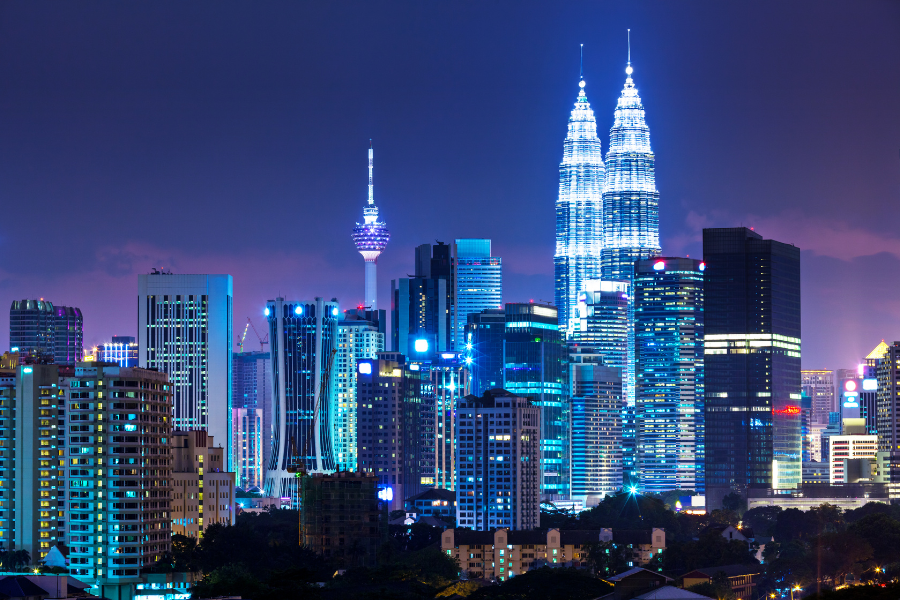
Kuala Lumpur, or KL as it is commonly known, is Malaysia’s capital and largest city. Serves as the nation’s cultural, financial, and economic heart. As the most populous city in the country, KL is known for its iconic skyline dominated by the Petronas Twin Towers, diverse population, and vibrant urban life. Strategically located in the central-western region of Peninsular Malaysia, Kuala Lumpur is a global city that connects Malaysia to major markets across Asia and beyond.
Over the years, Kuala Lumpur has transformed from a tin mining settlement into one of Southeast Asia’s most dynamic metropolitan areas. Today, the city boasts modern infrastructure, world-class amenities, a thriving economy, and excellent connectivity making it a preferred destination for business, tourism, education, and property investment.
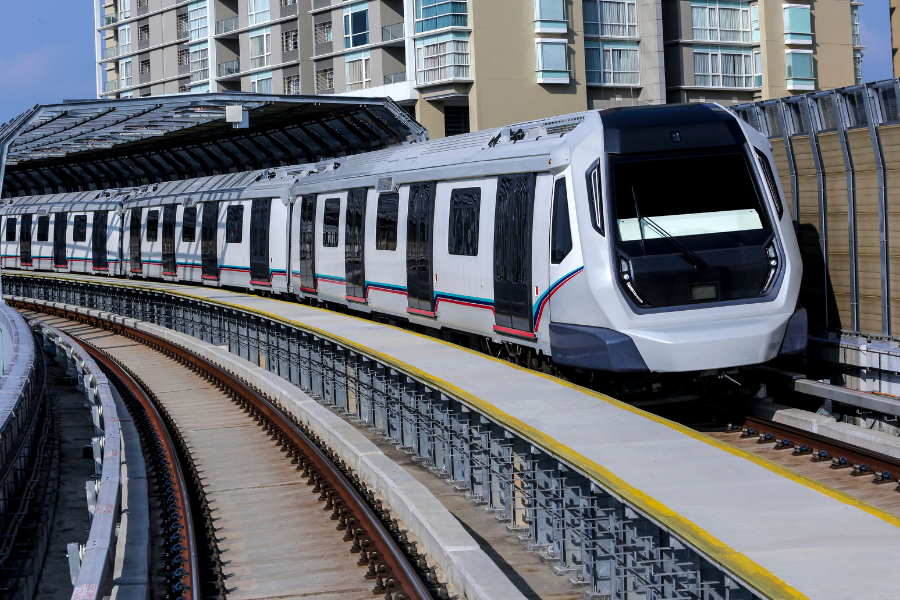
Kuala Lumpur benefits from excellent geographic accessibility. It is located about 35 km from Kuala Lumpur International Airport (KLIA and KLIA2), one of Southeast Asia’s busiest air transport hubs. These KL airports offer extensive connectivity to major international cities via numerous full-service and low-cost carriers.
Within the city, Kuala Lumpur is supported by an extensive public transportation system, including:
All of these systems are integrated under a common transit network, making it easier for commuters and tourists to move efficiently within Greater KL. These systems connect the city centre to suburban districts and surrounding towns like Shah Alam, Petaling Jaya, and Putrajaya.
Major roadways such as the Federal Highway, DUKE, MRR2 and the North–South Expressway provide smooth intercity access.
Kuala Lumpur is undergoing continuous development to accommodate urban growth. Several major infrastructure projects are either underway or recently completed to further enhance connectivity and urban living.
Scheduled for completion by 2032, the MRT3 project will form a loop around the Greater Kuala Lumpur region, connecting underserved areas and improving overall public transport efficiency. The 51.6 km Circle Line will feature 32 stations, 25 elevated and 7 underground, and integrate with existing MRT, LRT, KTM, and Monorail lines through 10 interchange stations. Full operations are expected by 2032 .
Although previously deferred, the HSR project connecting KL to Singapore in under 90 minutes remains under active discussion. If revived, it is expected to bring massive economic and property growth along its corridor.
Kuala Lumpur is home to over 1.8 million residents, with the broader Klang Valley area exceeding 8 million. The city is a melting pot of cultures comprising Malays, Chinese, Indians, and a growing expatriate community from countries like Japan, South Korea, the UK, and Middle Eastern nations.
Urban expansion has extended to suburban and satellite areas like:
These areas have become highly sought-after locations for residential and commercial developments, supported by improved road and rail links. Kuala Lumpur continues to evolve with integrated developments, vertical townships, and smart infrastructure.
The Kuala Lumpur property market remains a central focus for both domestic buyers and foreign investors. With a wide selection of condominiums, landed homes, and serviced residences, the property market is suitable for various lifestyle needs and investment goals
Popular property types in KL include:
Kuala Lumpur is one of the few cities in Malaysia where foreign ownership of property is relatively common, especially in areas like KLCC, Mont Kiara, Bukit Bintang, and Bangsar South.
Thanks to Malaysia My Second Home (MM2H) and Malaysia Premium Visa Programme (PVIP), more expatriates and retirees are showing interest in KL’s real estate market.
The MM2H program underwent a significant revamp in June 2024, introducing higher financial requirements and mandatory property investments. Applicants are now required to purchase residential property worth between RM600,000 and RM2 million, depending on the visa tier (Silver, Gold, or Platinum).
Launched in 2022, the PVIP offers a 20-year renewable visa to foreign investors. Applicants must invest in Malaysia and meet specific financial criteria to qualify.
Kuala Lumpur (KL) is indeed a significant contributor to Malaysia's GDP, accounting for over 22% of the nation's economic output and is a hub for high-value industries including finance, ICT, creative industries, oil and gas services, legal services, logistics, and high-end retail.
It is also home to many major regional offices and multinational companies. The financial district of Tun Razak Exchange (TRX) is a world-class business centre and is expected to elevate KL’s role in the global economy.
Key employment sectors in KL include:
Kuala Lumpur also offers many coworking spaces and innovation hubs such as MaGIC, Cyberjaya’s Tech Hubs, and KL Sentral Business District, supporting a vibrant entrepreneurial ecosystem.
Kuala Lumpur is widely regarded as an educational hub, offering a vast range of local and international academic institutions.
Leading universities and colleges in KL:
There are also international schools offering American, British, Australian, and IB curricula, such as The International School of Kuala Lumpur (ISKL), Garden International School, and Alice Smith School.
Kuala Lumpur offers world-class healthcare services and has positioned itself as a medical tourism destination, especially for patients from Indonesia, the Middle East, and neighbouring ASEAN countries.
Notable private hospitals in KL:
Government healthcare is also accessible, with major facilities such as Hospital Kuala Lumpur (HKL) being one of the largest public hospitals in Southeast Asia.
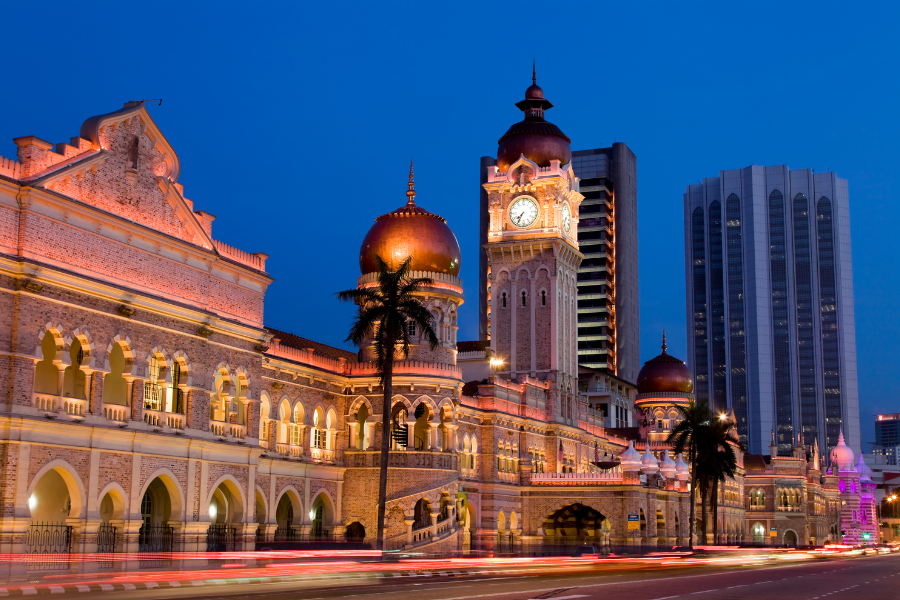
As Malaysia’s tourism capital, Kuala Lumpur combines modern city life with cultural heritage, shopping, and gastronomy. The city offers a unique mix of skyscrapers, colonial-era architecture, and local markets.
Top tourist attractions in Kuala Lumpur:
The city’s dining scene ranges from world-class fine dining to humble hawker stalls, reflecting Malaysia’s multicultural identity.