47
Putrajaya Residential Properties Transacted

Malaysia State Guide
Putrajaya is one of the most vibrant and dynamic locations in Malaysia. Over the past 12 months, the median transacted price for residential properties in Putrajaya stood at RM 710,000, with a median price per square foot of RM 393.24.
47
Putrajaya Residential Properties Transacted
RM 710,000
Putrajaya Median Transaction Price
RM 393.24
Putrajaya Median Transaction Price
(Data reflects the latest available 12-month period)
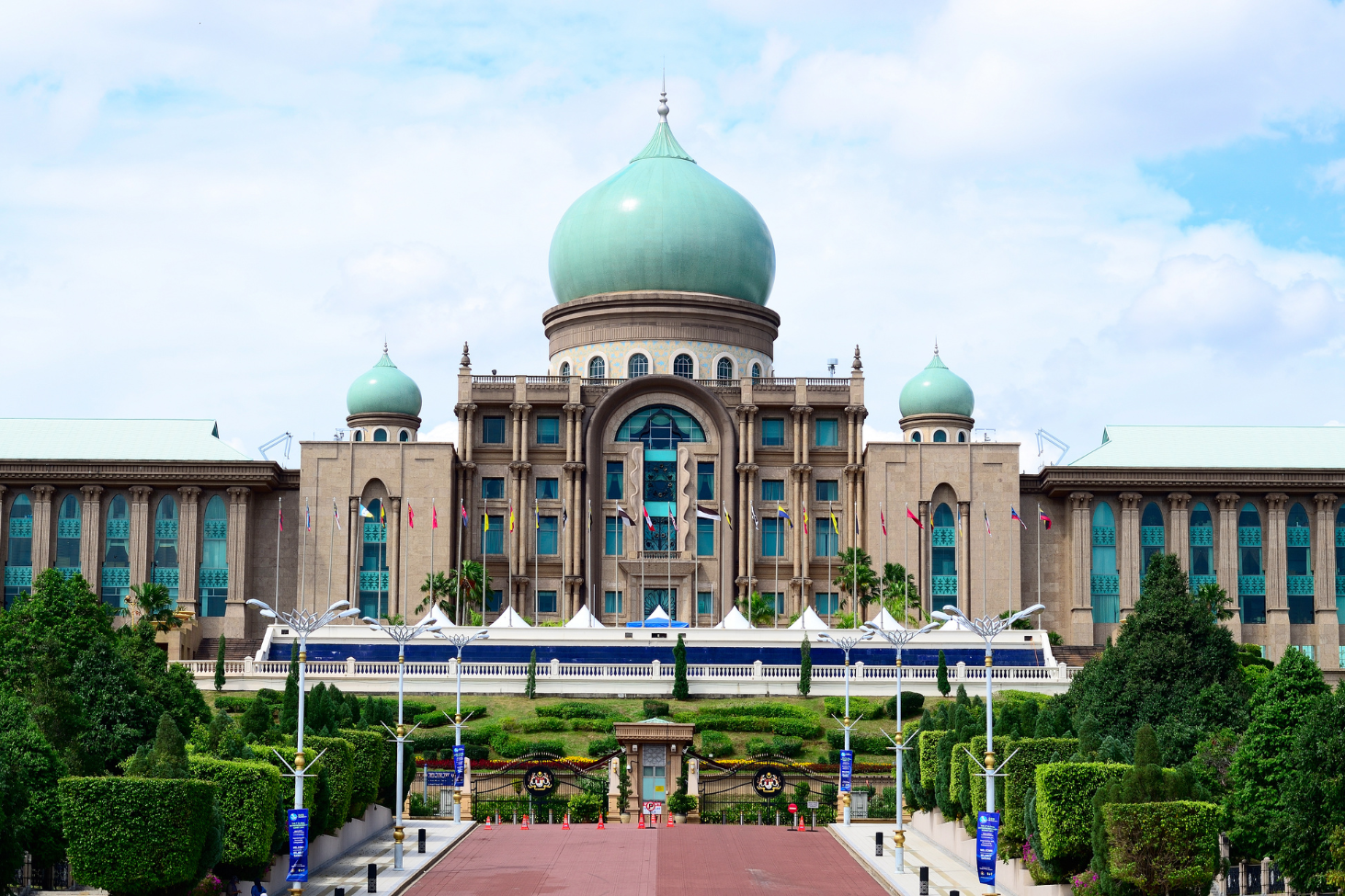
Putrajaya is Malaysia’s federal administrative capital and one of the most meticulously planned cities in Southeast Asia. Located approximately 25 km south of Kuala Lumpur, this intelligent garden city was officially declared the third Federal Territory of Malaysia in 2001, after Kuala Lumpur and Labuan. Built from the ground up in the 1990s to decentralise the country’s administrative functions, Putrajaya today hosts the majority of the nation’s ministries, government agencies, and official residences.
Characterised by wide boulevards, well-manicured parks, and grand Islamic architecture, Putrajaya represents the Malaysian government’s vision of a modern, efficient, and sustainable city. Despite being an administrative hub, Putrajaya also offers a serene lifestyle with lower traffic congestion, green spaces, and quality infrastructure, making it increasingly attractive for families, civil servants, and retirees.
Strategically located within the Klang Valley region, Putrajaya is nestled between Kuala Lumpur, Cyberjaya, and Kuala Lumpur International Airport (KLIA). It benefits from excellent road and rail connectivity, with direct links to major highways such as:
Public transport in Putrajaya is improving with the recent launch of the Putrajaya MRT Line (MRT2), which connects the city to Kwasa Damansara through 36 stations. Additionally, the ERL (Express Rail Link) at Putrajaya Sentral offers fast access to both KLIA and KL Sentral.
With a population of approximately 120,000, Putrajaya has a relatively low population density compared to other Malaysian cities. However, the city is designed for a future population of up to 300,000. The majority of residents are civil servants and their families, contributing to a well-organised and community-centric environment.
Putrajaya is divided into precincts, each with a specific function, ranging from government offices (Precincts 1–5), residential areas (Precincts 8–11, 14–18), to diplomatic enclaves and commercial hubs. Urban growth has focused on integrating residential development with green belts, lakes, and public amenities.
Putrajaya's property market is unique due to its government-focused character and controlled development model. The city primarily offers:
Although prices in Putrajaya have remained relatively stable, the completion of the MRT2 line and ongoing infrastructure upgrades are beginning to attract greater interest from private buyers, investors, and even foreign nationals under MM2H or PVIP schemes.
Popular residential precincts include Precinct 8, Precinct 11, and Precinct 15, which offer a mix of high-rise and landed properties with access to schools, parks, and public transport.
Putrajaya’s economy is largely anchored by government administration, but also supported by the surrounding Cyberjaya tech hub, and neighbouring areas like Bangi and Dengkil. Thousands of public sector jobs are based in Putrajaya, encompassing ministries, public agencies, judicial bodies, and diplomatic missions.
Nearby Cyberjaya, just 10 minutes away, complements Putrajaya’s employment ecosystem by housing major tech companies, BPO centres, and innovation startups. Many professionals live in Putrajaya and work in Cyberjaya, benefitting from the tranquil residential environment and proximity to business zones.
Putrajaya offers a range of public, private, and international schools, making it ideal for families. Key institutions include:
Education in Putrajaya is designed to cater to both local and international families, with schools offering national curricula, British and American systems, and Islamic education.
Putrajaya is well-equipped with modern healthcare facilities. The flagship Hospital Putrajaya is a fully integrated public hospital serving residents and civil servants. Private healthcare is also available in nearby areas such as Cyberjaya and Serdang.
Key medical facilities:
These facilities ensure that residents have access to both primary and specialist medical care within close range.
Though primarily an administrative city, Putrajaya is an increasingly popular destination for local tourism and international visitors, thanks to its impressive architecture, expansive parks, and events.
Top Attractions in Putrajaya:
Putrajaya also hosts Putrajaya International Hot Air Balloon Fiesta, Floria Putrajaya, and national-level parades and celebrations, reinforcing its role as Malaysia’s ceremonial and administrative capital.
Putrajaya stands as a model for modern urban planning, smart infrastructure, and efficient governance. With excellent accessibility, high-quality amenities, green spaces, and a calm living environment, it offers a unique alternative to Malaysia’s more congested cities. As public transport expands and more private developments enter the market, Putrajaya is gradually evolving from a purely administrative centre into a livable, well-connected city that balances progress with sustainability.