712
Sabah Residential Properties Transacted

Malaysia State Guide
Sabah is one of the most vibrant and dynamic locations in Malaysia. Over the past 12 months, the median transacted price for residential properties in Sabah stood at RM 420,000, with a median price per square foot of RM 227.22.
712
Sabah Residential Properties Transacted
RM 420,000
Sabah Median Transaction Price
RM 227.22
Sabah Median Transaction Price
(Data reflects the latest available 12-month period)
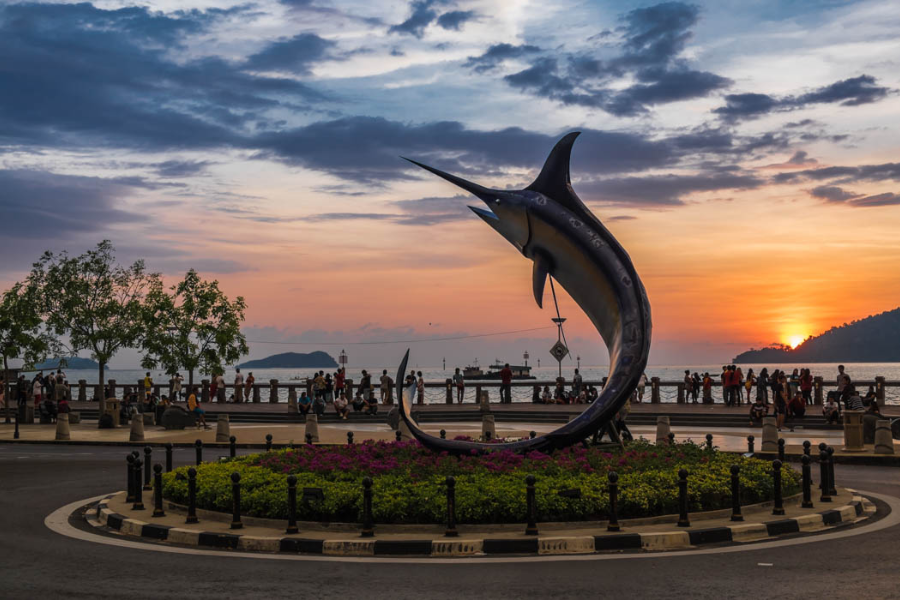
Sabah, known as the "Land Below the Wind" (Negeri di Bawah Bayu), is one of Malaysia’s two states located on the island of Borneo. Its capital city, Kota Kinabalu (often referred to as KK), serves as the main administrative and economic hub of the state. Rich in biodiversity, cultural heritage, and natural wonders, Sabah is renowned for its eco-tourism, marine life, and mountainous landscapes including the iconic Mount Kinabalu.
Strategically located in East Malaysia, Sabah shares borders with Sarawak to the southwest, Indonesia’s Kalimantan to the south, and the Sulu Sea to the north. The state plays a vital role in regional trade and tourism within Borneo and is growing in prominence for real estate, international education, and industrial development.
In recent years, Sabah has experienced steady urbanisation, particularly in Kota Kinabalu and its surrounding districts such as Penampang, Putatan, Tuaran, and Sandakan. These areas are becoming key economic zones for both the state and the broader Borneo region.
Sabah’s geography offers both opportunity and uniqueness. Located outside the typhoon belt, it enjoys relatively stable weather year-round, which is ideal for tourism and agriculture. The state's position on the island of Borneo gives it direct access to regional trade routes, including Brunei, the Philippines, and Indonesia.
Kota Kinabalu International Airport (BKI) is the second-busiest airport in Malaysia after KLIA and offers extensive domestic and regional connectivity, including direct flights to Kuala Lumpur, Singapore, China, South Korea, and Japan.
Sabah is also well-connected by sea, with major ports in Kota Kinabalu, Sandakan, and Lahad Datu handling cargo and passenger services.
Within Sabah, the Pan Borneo Highway project is a multibillion-ringgit federal infrastructure initiative to improve road connectivity between Sabah, Sarawak, and Brunei. Once fully completed, it will significantly reduce travel times and improve accessibility to interior towns and industrial zones.
The Pan Borneo Highway Sabah is among the most ambitious infrastructure projects in East Malaysia. With over 700 km of new and upgraded roads across the state, this project aims to enhance mobility, boost tourism, and attract long-term investments.
Other major upcoming developments include:
These initiatives position Sabah as a forward-looking state focused on sustainable development, regional integration, and investor confidence.
Sabah is home to over 3.6 million people (as of 2023), with a highly diverse population comprising over 30 ethnic groups, including Kadazan-Dusun, Bajau, Murut, Chinese, Malay, and various indigenous communities. The state also has a significant number of foreign workers and stateless individuals due to its historical and geographical proximity to southern Philippines and Indonesia.
Urbanisation is most prominent in:
These areas are experiencing growth in mixed-use developments, gated residential communities, and eco-friendly townships. The Sabah state government continues to support smart city initiatives and infrastructure upgrades to support this urban expansion.
Sabah’s property market remains relatively affordable compared to Peninsular Malaysia, making it attractive to local homebuyers, retirees, and investors looking for long-term capital appreciation. Property prices in Kota Kinabalu, for example, are significantly lower than in Kuala Lumpur, while offering strong tourism potential and lifestyle appeal.
Popular property segments in Sabah include:
Foreigners can buy properties in Sabah, subject to state approval and minimum purchase thresholds (often RM1 million and above), although land ownership is more restricted than in Peninsular Malaysia.
Sabah’s economy is supported by key industries such as:
In recent years, the Sabah government has promoted diversification through the Sabah Maju Jaya Development Plan 2021–2025, focusing on digital economy, green energy, infrastructure, and rural empowerment.
The state is also home to POIC Lahad Datu (Palm Oil Industrial Cluster) and the Sabah International Convention Centre (SICC), which hosts business events, exhibitions, and international forums.
Job opportunities in Sabah are concentrated in sectors like tourism, construction, logistics, oil & gas services, education, and government services. The state is also working to upskill its workforce to attract more investors.
Sabah is expanding its role as an educational hub for East Malaysia, with a growing number of universities and international schools. Key institutions include:
There are also various Chinese independent schools, vocational training institutes, and private colleges supporting education and upskilling across Sabah.
Sabah’s healthcare system includes public hospitals, private specialist centres, and community clinics. The state is investing in new healthcare infrastructure to meet growing demand.
Major hospitals in Sabah include:
Sabah is one of Malaysia’s top tourist destinations, famed for its natural beauty, mountain peaks, islands, and marine biodiversity. Eco-tourism, adventure travel, and indigenous culture form the core of its tourism appeal.
Top attractions in Sabah:
Sabah’s commitment to nature conservation, community-based tourism, and responsible development has made it a global example of sustainable tourism.