1667
Terengganu Residential Properties Transacted

Malaysia State Guide
Terengganu is one of the most vibrant and dynamic locations in Malaysia. Over the past 12 months, the median transacted price for residential properties in Terengganu stood at RM 340,000, with a median price per square foot of RM 124.63.
1667
Terengganu Residential Properties Transacted
RM 340,000
Terengganu Median Transaction Price
RM 124.63
Terengganu Median Transaction Price
(Data reflects the latest available 12-month period)
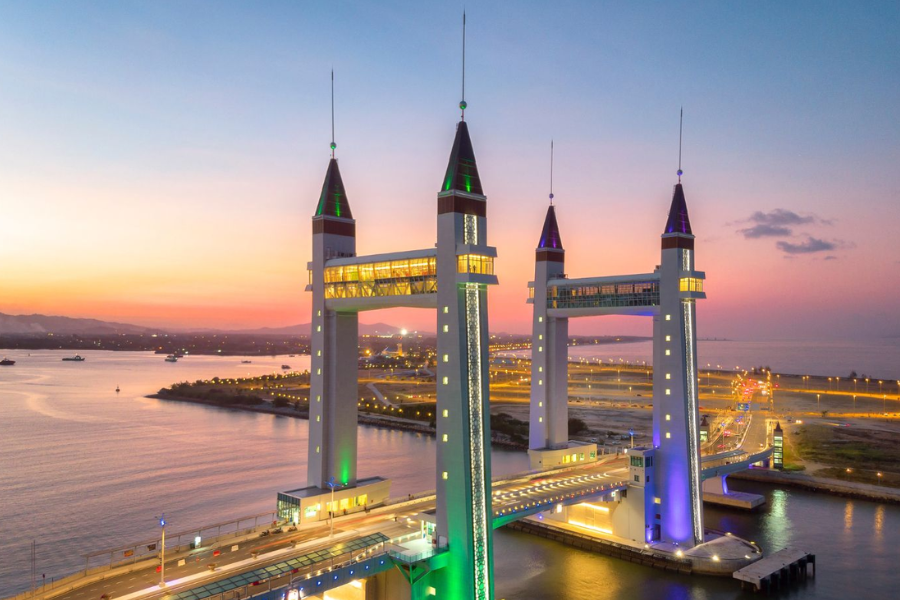
Terengganu, located on the east coast of Peninsular Malaysia, is a state renowned for its stunning coastline, idyllic islands, rich cultural heritage, and growing potential in eco-tourism and halal industry development. Often considered one of Malaysia’s best-kept secrets, Terengganu offers a blend of laid-back coastal living, traditional Malay culture, and natural beauty that attracts both domestic tourists and international visitors.
The state capital, Kuala Terengganu, is the main administrative and economic hub, while other notable towns include Kemaman, Dungun, Marang, and Besut. Terengganu is also home to world-famous islands such as Pulau Redang, Pulau Perhentian, and Pulau Kapas, which have helped elevate the state’s tourism profile globally.
Over the years, Terengganu has embraced development while preserving its cultural identity. The state is pushing forward with modernisation through the East Coast Economic Region (ECER), a federal initiative that aims to enhance regional connectivity, promote investment, and stimulate inclusive growth.
Strategically located along the South China Sea, Terengganu boasts over 240 km of coastline, making it one of the most scenic coastal states in Malaysia. The state borders Kelantan to the north and Pahang to the south, and is well-known for its marine biodiversity, forests, and river systems.
Access to Terengganu has significantly improved in recent years:
Several major projects are underway to elevate Terengganu’s role in Malaysia’s regional development:
These initiatives aim to position Terengganu as a well-connected, knowledge-based, and eco-friendly state.
Terengganu has a population of approximately 1.25 million (as of 2023), with a predominantly Malay-Muslim demographic, followed by small Chinese and Indian communities. The state is known for its strong cultural preservation, Islamic governance, and traditional craftsmanship.
Urbanisation is concentrated around Kuala Terengganu, Kuala Nerus, Kemaman, and Dungun, where public infrastructure, townships, and industrial zones have expanded. However, much of Terengganu retains a rural character, with kampung (village) life still playing a major role in the state’s identity.
Recent development has been focused on:
While not as fast-paced as Kuala Lumpur or Johor Bahru, Terengganu’s property market presents opportunities for long-term investment, especially in eco-tourism zones, educational clusters, and industrial townships.
Key property trends:
Terengganu’s economy is traditionally based on oil and gas, fisheries, and agriculture, but recent years have seen diversification into tourism, education, and halal manufacturing.
Key sectors:
Youth employment is also being targeted via TVET (Technical and Vocational Education and Training) and entrepreneurship grants under state-led initiatives.
Terengganu is positioning itself as an education and research hub for the East Coast, attracting both local and international students.
Notable institutions include:
In addition to higher education, the state is focusing on digital learning platforms and STEM education in schools to prepare students for Industry 4.0.
Terengganu provides essential healthcare services through a mix of public and private facilities.
Major government hospitals:
Private medical centres:
Although the state’s healthcare infrastructure is still developing, plans are underway to expand private sector participation and medical tourism, particularly with wellness retreats and Islamic healthcare offerings.
Terengganu’s tourism strength lies in its natural beauty, traditional culture, and island getaways.
Top Attractions:
Terengganu is also known for cultural events such as: