1228
Hartanah Kediaman Sarawak Bertransaksi

Panduan Negeri di Malaysia
Sarawak merupakan salah satu lokasi paling dinamik di Malaysia. Dalam tempoh 12 bulan lepas, harga transaksi median untuk hartanah kediaman di Sarawak ialah RM 400,000, dengan harga median setiap kaki persegi RM 196.37.
1228
Hartanah Kediaman Sarawak Bertransaksi
RM 400,000
Harga Median Setiap Kaki Persegi di Sarawak
RM 196.37
Harga Median Setiap Kaki Persegi di Sarawak
(Data mencerminkan tempoh 12 bulan terkini yang tersedia)
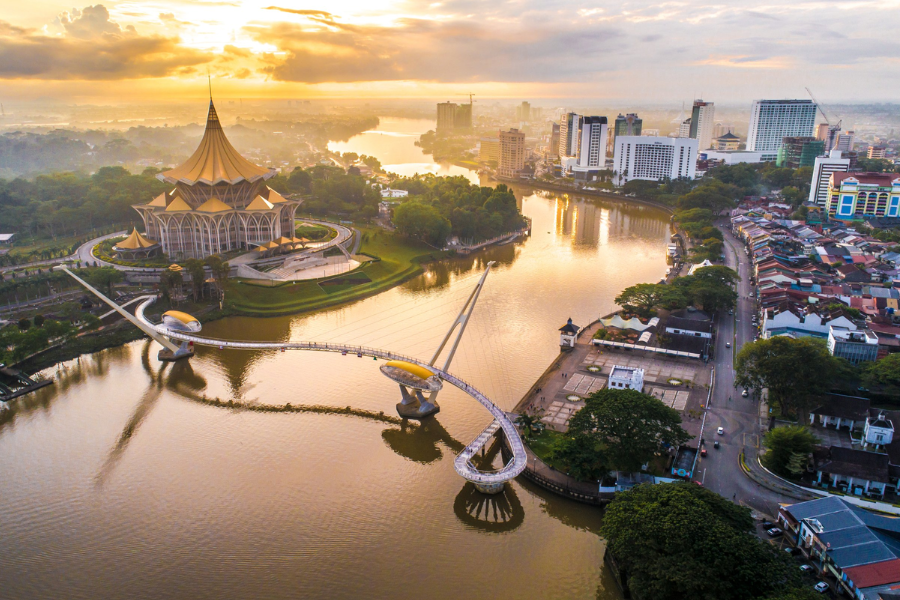
Sarawak is the largest state in Malaysia, located on the island of Borneo and bordering Kalimantan (Indonesia) to the south and the South China Sea to the northwest. Known for its rich cultural heritage, vast rainforests, and natural biodiversity, Sarawak plays a significant role in Malaysia’s economic, environmental, and tourism landscape. The state capital, Kuching, serves as the administrative and economic heart of Sarawak.
Unlike the urban density of Peninsular Malaysia, Sarawak is characterised by a more spread-out population, lush green landscapes, and a slower-paced lifestyle. The state is also home to over 40 ethnic groups, including the Iban, Bidayuh, Orang Ulu, Malay, Chinese, and Melanau, making it one of the most culturally diverse regions in Malaysia.
Over the past decade, Sarawak has focused on modernising its economy while preserving its ecological wealth. With strong initiatives in renewable energy, digital economy, infrastructure upgrades, and education, Sarawak is steadily becoming a regional powerhouse in East Malaysia.
Sarawak's geographical position on Borneo gives it access to vast natural resources, including oil, gas, timber, and hydropower. Despite its location away from the Peninsular, Sarawak is increasingly accessible due to major transport infrastructure developments.
Kuching International Airport (KIA) is the third-busiest airport in Malaysia and connects Sarawak to major cities such as Kuala Lumpur, Kota Kinabalu, Johor Bahru, and Singapore. Other key airports in the state include:
These regional airports support both domestic and limited international travel, enhancing trade, business travel, and tourism.
The Pan Borneo Highway, currently under extensive development, is expected to transform land travel across Sarawak. Once completed, it will link major towns like Kuching, Sibu, Bintulu, and Miri, reducing travel time and boosting economic integration.
Sarawak also has multiple ports such as:
These facilitate trade in palm oil, liquefied natural gas (LNG), timber, and other commodities.
Slated for full completion by the late 2020s, this multi-billion-ringgit infrastructure project will be a game-changer for East Malaysia. It will improve logistics, boost connectivity, and spur development in rural and semi-urban areas.
Sarawak is pioneering the nation’s first hydrogen-powered ART system, expected to begin operations in Kuching by 2027. This smart transportation initiative is part of the Kuching Urban Transportation System (KUTS) and will reduce congestion, improve mobility, and contribute to Sarawak’s green economy goals.
The state is investing in rural road projects and telecommunication towers to enhance internet connectivity under the Sarawak Digital Economy Strategy. This supports remote learning, digital businesses, and overall technological inclusivity in less accessible areas.
Sarawak has a population of approximately 2.5 million people (as of 2023), spread across a land area nearly the size of the entire Peninsular. The state’s population is predominantly rural, but cities like Kuching, Miri, Sibu, and Bintulu are experiencing steady urbanisation.
Kuching, the state capital, is a cultural and administrative hub, while Miri is an oil and gas centre. Bintulu is known for LNG exports, and Sibu acts as a commercial and riverine trading town. These urban areas have seen an increase in residential developments, malls, educational institutions, and healthcare facilities.
Sarawak’s unique demographic composition promotes cultural festivals and diversity. The Gawai Dayak celebration, Chinese New Year, Hari Raya, and Kaul Festival highlight the state’s multiculturalism and contribute to social cohesion.
The Sarawak property market is relatively stable and remains an attractive option for long-term investment, especially in cities like Kuching and Miri.
Key Features:
Interest from Sarawak diaspora and foreign investors (mainly Singaporeans and Indonesians)
The government also offers incentives and reduced stamp duty for first-time homebuyers, and with initiatives like the Housing Deposit Assistance Scheme (HDAS), more Sarawakians are encouraged to enter the housing market.
Sarawak’s economy is resource-driven, with oil, gas, palm oil, timber, and hydropower as the major contributors. However, the state is actively diversifying its economy by investing in downstream industries, digital economy, tourism, and green energy.
Key Economic Drivers:
Employment opportunities are strong in the engineering, oil & gas, IT, plantation, education, and tourism sectors.
Sarawak is committed to enhancing education access across its vast territory. Several public and private institutions have established campuses in the state.
Key Institutions:
There is a growing number of international and private schools in Kuching and Miri to support local and expatriate communities.
Sarawak offers comprehensive healthcare services through a mix of public and private hospitals.
Public Hospitals:
Private Hospitals:
These institutions are increasingly adopting digital medical records and telemedicine services, especially for patients in rural and remote areas.
Sarawak is a top destination for ecotourism, adventure travel, and cultural immersion. Its blend of rainforests, caves, rivers, and indigenous culture makes it a unique offering on the Malaysian tourism map.
Top Tourist Attractions:
Sarawak is also known for its food culture, especially dishes like Sarawak laksa, kolo mee, and umai. The annual Rainforest World Music Festival (RWMF) draws thousands of international visitors and highlights the state’s artistic and cultural appeal.