
Panduan Bandar di Malaysia
Ipoh merupakan salah satu lokasi paling dinamik di Malaysia. Data transaksi untuk kawasan ini mungkin tersedia di bawah klasifikasi atau penamaan kawasan yang berbeza. Terokai senarai hartanah semasa dan statistik pasaran yang lebih luas di bawah.
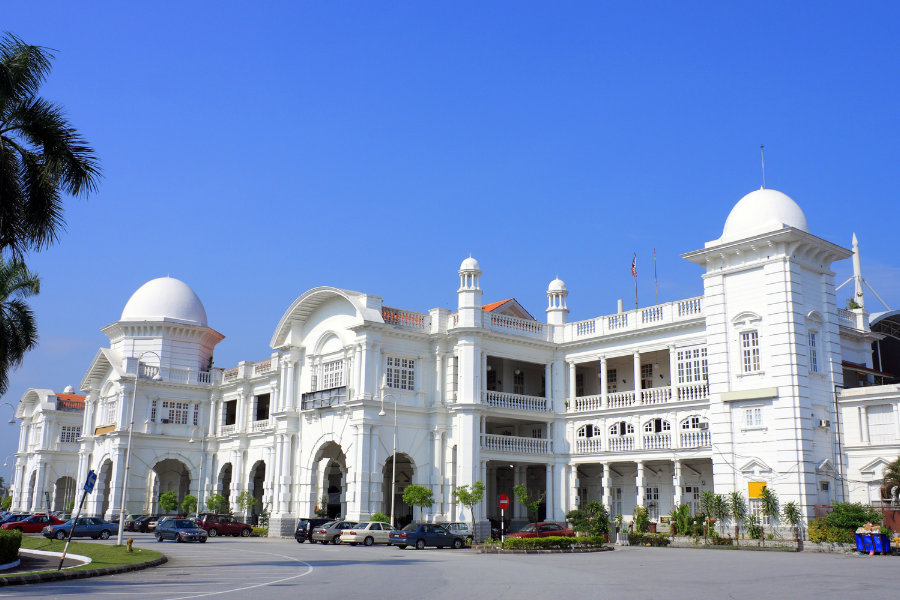
Ipoh, the capital city of Perak, is one of Malaysia’s most charming and historically rich urban centres. Once a thriving tin mining town during the British colonial era, Ipoh has grown into a modern city while retaining its old-world charm. Located strategically between Kuala Lumpur and Penang, Ipoh is the fourth-largest city in Malaysia and has steadily evolved into a destination known for its heritage, food culture, retirement living, and growing property market.
Often dubbed Malaysia’s hidden gem, Ipoh offers a unique blend of British colonial architecture, natural limestone hills and caves, hot springs, and a slower-paced lifestyle. The city has become increasingly popular among domestic travellers, foreign retirees, and property investors who are attracted to its affordability, scenic beauty, and livability.
Ipoh is located in the heart of Peninsular Malaysia, approximately 200 km north of Kuala Lumpur and 150 km south of Penang. It is accessible via the North–South Expressway (PLUS), with direct exits leading into the city. This makes it a strategic midpoint for those travelling between the northern and southern regions of Malaysia.
The Sultan Azlan Shah Airport (IPH) serves the city with limited domestic and regional flights, including routes to Singapore and Johor Bahru. For rail travel, Keretapi Tanah Melayu (KTM) ETS high-speed trains provide efficient connectivity to KL Sentral, Butterworth, and beyond, making it convenient for business and leisure travellers.
Public transport within Ipoh includes Rapid Ipoh buses, taxis, and e-hailing services like Grab, though many locals prefer private vehicles due to the city's manageable traffic and ample parking.
Ipoh has seen increasing infrastructural development over the past decade, both from local and federal government initiatives. Key infrastructure projects include:
Ipoh has an estimated population of over 800,000 within the Greater Kinta Valley region. The population is ethnically diverse, comprising primarily Malays, Chinese, and Indians. The city maintains a laid-back lifestyle that appeals to retirees and young families alike, while still offering urban conveniences such as shopping malls, modern healthcare, and quality education.
Ipoh's property market is known for its affordability, stability, and value-for-money developments. It remains a favourite among:
While Ipoh no longer thrives on tin mining, it has diversified its economy into several key sectors:
Ipoh has become a rising education hub in northern Peninsular Malaysia. It offers a combination of national, vernacular, and international schools, alongside tertiary education institutions.
Ipoh offers one of the most advanced healthcare systems in northern Malaysia, catering not only to locals but also to medical tourists from Penang, Kedah, and even Indonesia.
Tourism plays a central role in Ipoh’s growth. The city is frequently listed among Asia’s top underrated travel destinations thanks to its mix of heritage, nature, and food.
Cultural events, mural art, and weekend flea markets contribute to the city's vibrant yet grounded lifestyle.